
A Step-by-Step Roadmap from Vision to Reality for Your Bathroom Remodeling Project
A bathroom remodeling project often starts with excitement and inspiration, then quickly turns into uncertainty. Questions pile up fast, and might make you feel anxious about starting. How long will this take? What decisions need to be made first? What happens if something goes wrong behind the walls? Without a clear plan, the process can feel overwhelming before it even begins.
Don’t let the fear of the unknown stop you from tackling such a fun project. Think of it as a roadmap that guides the bathroom remodel process from start to finish, setting realistic expectations and helping homeowners understand what happens, when, and why each step matters. With clarity comes confidence, and with confidence comes a smoother renovation experience.
Step One: Defining the Purpose of Your Bathroom Remodeling Project
Every successful bathroom remodeling project begins with intention. Before tile samples or fixture styles enter the conversation, it is important to define the purpose behind the remodel. Is the goal to modernize an outdated space, improve daily functionality, address moisture or layout issues, or increase long-term home value?
This step shapes every decision that follows. A primary bathroom renovation focused on comfort and efficiency will look different from a guest bath designed for durability or resale appeal. Clarifying priorities early helps prevent costly changes later and keeps the project aligned with real needs rather than impulse decisions.
Step Two: Budget Planning and Scope Alignment
Once goals are clear, the next phase involves establishing a realistic budget and aligning it with the project scope. Bathroom remodels vary widely in cost depending on layout changes, plumbing relocation, material choices, and structural updates. Understanding what is feasible within a given budget enables homeowners to make informed trade-offs rather than last-minute compromises.
This stage often includes deciding where to invest and where to simplify. High-traffic bathrooms may benefit from durable finishes, while secondary spaces can offer greater flexibility. A well-defined budget also builds in contingency planning, which is essential for older homes where hidden issues can surface during demolition.
Step Three: Design Development and Material Selections
With budget and scope set, the design phase brings the vision to life. This is where layout decisions, finishes, fixtures, lighting, and storage solutions come together. Thoughtful bathroom remodeling design balances aesthetics with daily usability, ensuring the space looks great while functioning smoothly for years to come.
Material selection plays a significant role in both appearance and longevity. Flooring, wall surfaces, vanities, and fixtures must be chosen with moisture resistance, maintenance, and durability in mind. Finalizing selections early helps keep the bathroom remodel process on schedule and avoids delays once construction begins.
Step Four: Understanding the Timeline and Project Sequence
One of the biggest sources of anxiety during bathroom renovation is uncertainty around timing. While every project is unique, most bathroom remodels follow a predictable sequence. Demolition comes first, followed by rough plumbing and electrical work, inspections where required, then installation of walls, flooring, cabinetry, fixtures, and finishes.
Knowing this sequence helps homeowners understand why certain steps cannot be rushed or rearranged. It also clarifies why a bathroom may be unusable for a period of time. Clear expectations about the timeline reduce frustration and enable better planning for daily routines.
Step Five: Demolition and What Lies Beneath
Demolition marks the transition from planning to action. It can be the most visually dramatic phase of the bathroom remodel process, and sometimes the most revealing. Once walls and floors are opened, underlying issues such as water damage, outdated wiring, or substandard framing may be discovered.
While these findings can feel stressful, addressing them properly is essential to the long-term success of the renovation. Correcting hidden problems early prevents future repairs and ensures the new bathroom is built on a solid foundation rather than cosmetic fixes alone.
Step Six: Infrastructure and Behind-the-Walls Work
After demolition, attention shifts to the systems that power the bathroom. Plumbing, electrical, ventilation, and structural adjustments happen during this stage. Though largely unseen once the project is complete, this work is critical to performance, safety, and code compliance.
Proper ventilation reduces moisture buildup, well-planned electrical layouts improve lighting and usability, and updated plumbing ensures reliable water flow and drainage. This phase requires precision and coordination, as mistakes behind the walls are difficult to correct later.
Step Seven: Bringing the Bathroom Renovation Together
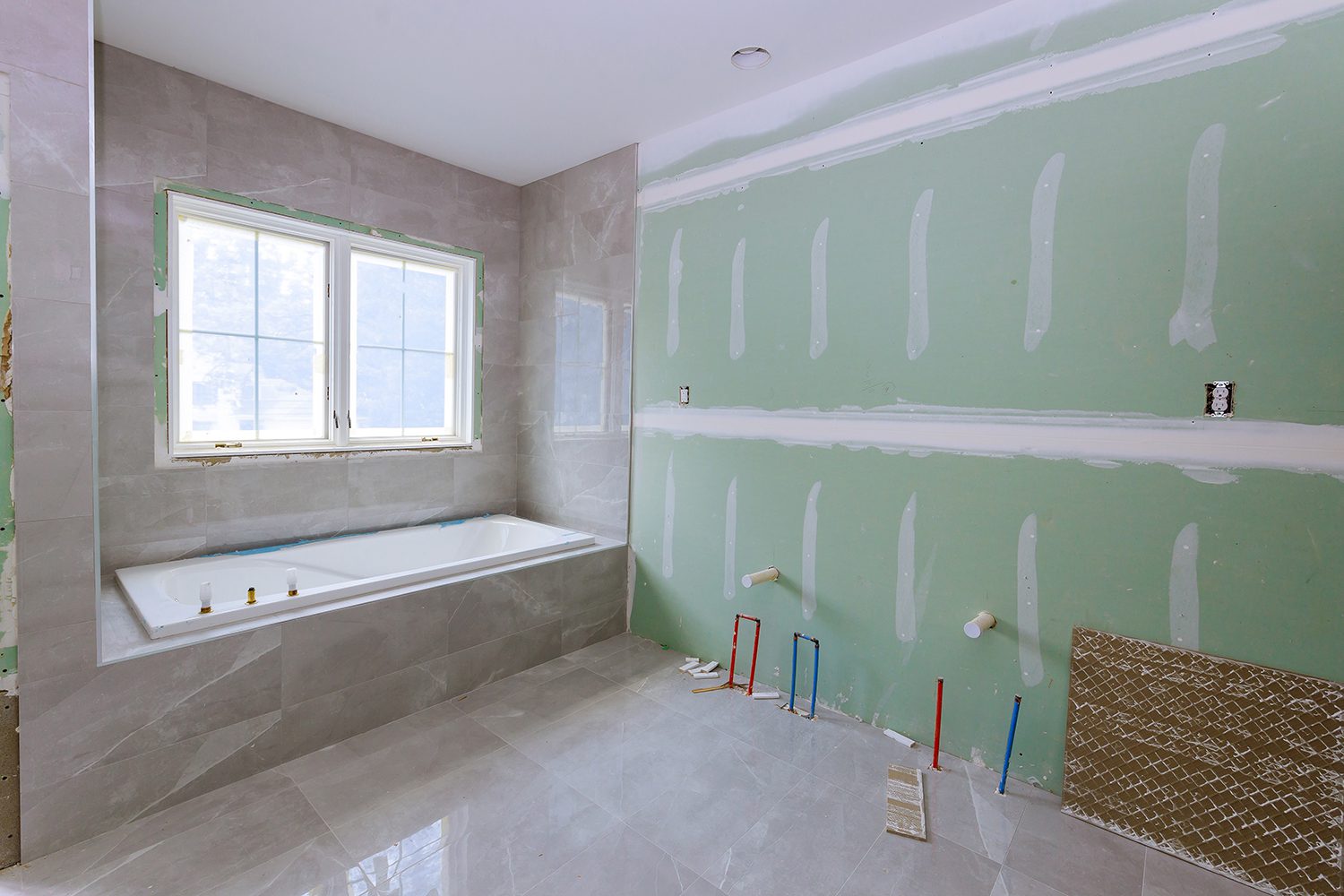
Once the infrastructure is complete, the bathroom begins to take shape. Walls are closed, surfaces are installed, and visual elements come together. Tile work, cabinetry installation, countertops, fixtures, and lighting transform the space from a construction site into a functional room.
This stage is often the most rewarding, as design choices become tangible. It is also when attention to detail matters most. Proper alignment, clean finishes, and careful installation ensure the final result meets expectations both visually and functionally.
Step Eight: Final Walkthrough and Long-Term Confidence
The final phase of bathroom remodeling involves detailed inspections, adjustments, and a comprehensive walkthrough. This is the opportunity to ensure everything operates correctly, from water pressure to lighting placement. Any final touch-ups or corrections are addressed so the space is truly complete.
A successful bathroom remodel does more than improve appearance. It enhances daily routines, increases comfort, and provides peace of mind knowing the space was built correctly. When the process is clearly understood from the start, the experience feels far less intimidating and far more rewarding.
Ready to Start Your Bathroom Remodeling Journey?
A well-planned bathroom renovation does not have to feel overwhelming. With a clear roadmap, realistic expectations, and experienced guidance, the process becomes manageable and even enjoyable. Twin Brook Construction helps homeowners navigate bathroom remodeling with clarity, craftsmanship, and attention to detail from start to finish. Visit their website to explore how the next step toward a beautifully remodeled bathroom can begin today.